The Purpose of NAACP: A Comprehensive Exploration
 Sarah Rodriguez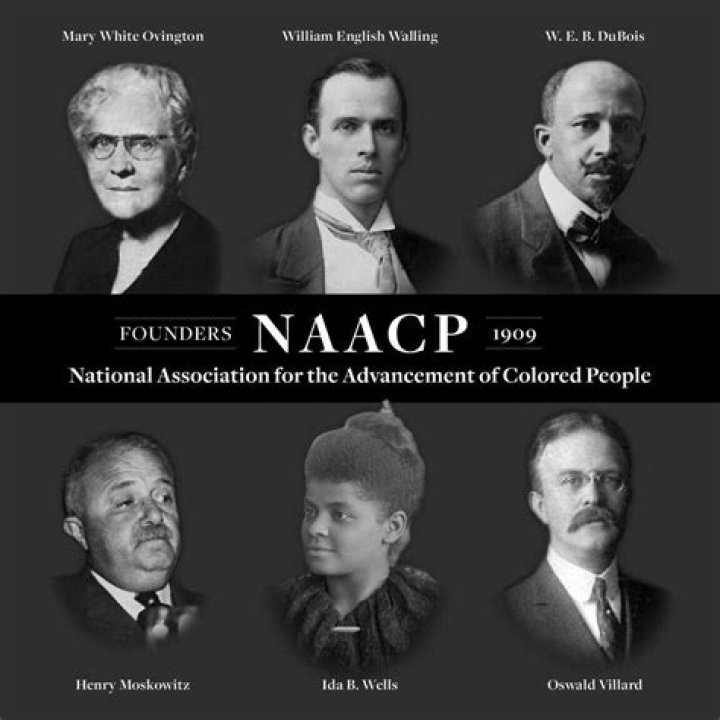
The NAACP, or the National Association for the Advancement of Colored People, has been a pivotal force in the fight for civil rights and racial equality in the United States. Established over a century ago, its purpose has always centered on eliminating racial discrimination and ensuring justice for all people of color. Through its advocacy, legal battles, and community engagement, the NAACP continues to play a crucial role in shaping the nation's social and political landscape.
Founded in 1909, the NAACP emerged during a period marked by systemic racism and segregation. Its creation was a response to the increasing violence against African Americans and the need for an organized effort to address these injustices. From its inception, the organization has worked tirelessly to dismantle barriers that prevent equal opportunities for people of color in education, employment, and legal systems.
As we delve deeper into the purpose of NAACP, it becomes clear that its mission extends beyond mere advocacy. It represents a commitment to fostering a society where racial equality is not just an ideal but a reality. Through its various initiatives, the NAACP continues to inspire generations to join the fight for justice and equality.
History of NAACP
The NAACP was founded on February 12, 1909, in New York City, by a group of civil rights activists, including W.E.B. Du Bois, Ida B. Wells, and Mary White Ovington. This historic organization emerged as a response to the horrific lynching of African Americans and the lack of legal protection for people of color. Initially known as the National Negro Committee, it quickly evolved into the NAACP, becoming a beacon of hope for millions seeking justice and equality.
Early Years and Growth
In its early years, the NAACP focused on combating racial violence and advocating for anti-lynching legislation. It also launched its influential magazine, The Crisis, under the editorship of W.E.B. Du Bois, which served as a platform for exposing racial injustices and promoting cultural pride among African Americans. By the 1920s, the organization had established a strong national presence, with chapters across the United States.
Mission and Purpose of NAACP
The primary purpose of NAACP is to ensure the political, educational, social, and economic equality of rights for all persons and to eliminate race-based discrimination. Its mission statement reflects a commitment to achieving these goals through advocacy, litigation, and education. By addressing issues such as voting rights, education reform, and criminal justice reform, the NAACP strives to create a more just and equitable society.
Core Values and Objectives
- Promoting civil rights through legal action and advocacy.
- Ensuring access to quality education for all individuals.
- Advancing economic opportunities for marginalized communities.
- Protecting voting rights and encouraging civic engagement.
NAACP's Legal Battles
One of the most significant contributions of the NAACP has been its role in landmark legal battles. Through its Legal Defense and Educational Fund, the organization has fought numerous cases that have shaped American jurisprudence. The most notable victory was the 1954 Brown v. Board of Education Supreme Court decision, which declared racial segregation in public schools unconstitutional.
Key Legal Cases
- Brown v. Board of Education (1954)
- Smith v. Allwright (1944)
- Morgan v. Virginia (1946)
Advocacy in Education
The NAACP has long been at the forefront of advocating for educational equity. It believes that access to quality education is a fundamental right and a key to breaking the cycle of poverty. Through its education initiatives, the organization works to close the achievement gap, promote school integration, and support policies that benefit students of color.
Education Programs and Initiatives
- NAACP Education Policy Agenda
- Back-to-School/Stay-in-School Program
- Education Advocacy Training
Voting Rights Initiatives
Voting rights have been a cornerstone of the NAACP's mission since its founding. The organization has consistently fought against voter suppression and worked to expand access to the ballot box for all citizens. Its efforts have included lobbying for legislation, organizing voter registration drives, and challenging discriminatory practices in court.
Challenges to Voting Rights
- Voter ID laws
- Polling place closures
- Gerrymandering
Economic Justice Efforts
Economic justice is another critical focus area for the NAACP. Recognizing that economic inequality disproportionately affects people of color, the organization advocates for policies that promote job creation, fair wages, and wealth-building opportunities. It also works to address systemic barriers that prevent minorities from achieving economic mobility.
Economic Justice Campaigns
- Jobs and Economic Development Initiative
- Financial Literacy Programs
- Small Business Support
Community Outreach Programs
The NAACP's community outreach programs aim to empower individuals and strengthen communities. Through partnerships with local organizations, it provides resources and support to address issues such as healthcare disparities, housing discrimination, and environmental justice. These programs are designed to create sustainable change and improve the quality of life for all residents.
Notable Outreach Initiatives
- Healthcare Advocacy
- Housing Equity Campaign
- Environmental Justice Program
Impact on Society
The impact of the NAACP on American society cannot be overstated. Over the decades, it has achieved numerous victories that have advanced civil rights and promoted social justice. Its influence extends beyond the United States, inspiring similar movements worldwide. The organization's unwavering commitment to equality has made it a trusted voice in the fight against racism and discrimination.
Measuring Success
- Legislative victories
- Increased voter participation
- Improved educational outcomes
Challenges Faced by NAACP
Despite its many successes, the NAACP faces ongoing challenges in its mission to achieve racial equality. These include resistance from those who oppose its goals, limited resources, and evolving forms of discrimination. However, the organization remains resilient, adapting its strategies to meet the needs of a changing society.
Overcoming Obstacles
- Building coalitions with other organizations
- Utilizing technology for outreach and advocacy
- Engaging younger generations in the movement
The Future of NAACP
Looking ahead, the NAACP continues to evolve while staying true to its founding principles. It is committed to addressing emerging issues such as digital discrimination, climate justice, and criminal justice reform. By leveraging new technologies and expanding its reach, the organization aims to remain a leading force in the fight for equality and justice.
As the nation grapples with ongoing challenges related to race and inequality, the NAACP's purpose remains as relevant as ever. Its work serves as a reminder of the importance of standing up for what is right and striving for a better future for all.
Kesimpulan
In conclusion, the purpose of NAACP is rooted in its mission to eliminate racial discrimination and promote equality for all people. Through its legal battles, advocacy in education, voting rights initiatives, and economic justice efforts, the organization has made significant strides in advancing civil rights. Its impact on society is profound, and its commitment to justice continues to inspire generations.
We invite you to join the conversation and take action. Share this article with others, leave a comment below, or explore more resources on our website. Together, we can make a difference in creating a more equitable and just world.
Data Sources:
- NAACP Official Website
- U.S. Department of Justice
- American Civil Liberties Union
- Library of Congress