The Power of Pathos in Advertising: Captivating Hearts for Effective Marketing
 Sarah Rodriguez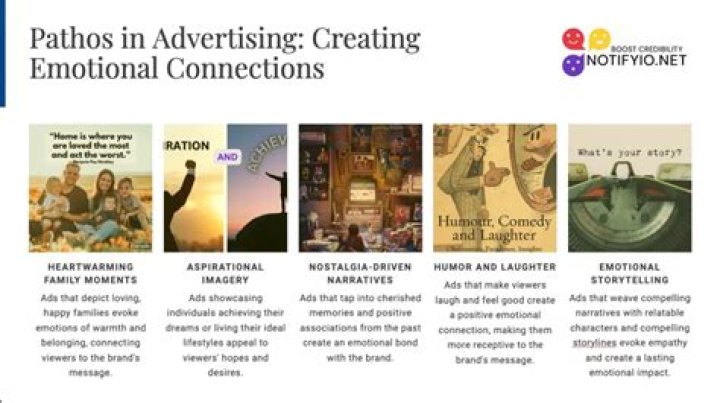
In today's competitive marketing landscape, pathos ad strategies have become a powerful tool for brands to connect emotionally with their audience. Emotional advertising is no longer just an option but a necessity for businesses aiming to build lasting relationships with consumers. By appealing to human emotions, pathos ads create meaningful connections that transcend mere transactions, fostering brand loyalty and trust.
Pathos, derived from the Greek word meaning "suffering" or "experience," is one of the three modes of persuasion identified by Aristotle. Unlike ethos (ethical appeal) and logos (logical appeal), pathos focuses on evoking emotions to influence decisions. In advertising, this means crafting messages that resonate deeply with the audience's feelings, whether it's joy, nostalgia, empathy, or even fear.
As consumers become increasingly exposed to digital content and ad fatigue sets in, brands must innovate their approach to stand out. Pathos-driven ads offer a solution by tapping into universal human emotions, creating campaigns that not only capture attention but also leave a lasting impression. This article delves into the mechanics of pathos advertising, exploring its principles, applications, and impact on modern marketing strategies.
Understanding Pathos in Advertising
Pathos advertising operates on the principle that emotions drive decisions more powerfully than logic. When brands succeed in evoking the right emotions, they can influence consumer behavior effectively. This section explores the fundamental concepts behind pathos ads and their significance in modern marketing.
The core idea of pathos advertising lies in understanding human psychology and emotional triggers. Marketers study various emotional states to craft messages that resonate with target audiences. For instance, ads targeting nostalgia might feature childhood memories or traditional family values, while those aiming for inspiration might showcase personal achievements or overcoming adversity.
Balancing Logic and Emotion in Ads
While pathos focuses on emotions, successful campaigns often combine it with logical elements to create well-rounded appeals. This balance ensures that while consumers feel emotionally connected, they also perceive the practical benefits of products or services.
- Emotional appeals should be grounded in reality
- Logical benefits should complement emotional narratives
- Consistency between emotional and rational messages is crucial
Historical Development of Pathos Ads
The use of pathos in advertising dates back to early 20th-century marketing campaigns. Initially, emotional appeals were relatively straightforward, focusing on basic needs and desires. Over time, as consumer psychology became better understood, pathos strategies evolved to incorporate more sophisticated emotional triggers.
Modern pathos advertising leverages advanced data analytics and behavioral science to create highly personalized emotional appeals. The digital age has further enhanced the effectiveness of pathos campaigns through targeted advertising and real-time engagement.
Emotional Triggers in Pathos Advertising
Successful pathos ads tap into a wide range of emotional triggers, each designed to evoke specific responses from the audience. Understanding these triggers is essential for crafting effective emotional appeals.
Cultural Considerations in Pathos Ads
Cultural differences significantly impact how emotions are perceived and expressed. Marketers must consider regional cultural nuances when developing pathos campaigns to ensure they resonate appropriately with diverse audiences.
- Cultural values influence emotional responses
- Local customs affect emotional expression
- Adaptation of emotional appeals across regions
Psychological Impact of Pathos Ads
From a psychological perspective, pathos advertising works by activating specific brain regions associated with emotion processing. When viewers encounter emotionally charged content, their brains release neurotransmitters that create lasting impressions and influence decision-making processes.
Research indicates that emotionally engaging ads are more likely to be remembered and acted upon compared to purely informational advertisements. This neurological response underscores the power of pathos in shaping consumer behavior.
Types of Pathos Advertising
Pathos ads can be categorized into several types based on the emotions they aim to evoke:
- Heartwarming campaigns focusing on love and family
- Inspirational ads showcasing achievement and perseverance
- Humorous ads using laughter to build connections
- Empathy-driven ads highlighting social issues
Ethical Implications of Pathos Marketing
While pathos advertising offers significant benefits, ethical considerations must be addressed. Manipulative use of emotions can lead to negative consumer reactions and damage brand reputation. Responsible marketers ensure their emotional appeals remain authentic and respectful.
Real-Life Examples of Effective Pathos Ads
Several brands have successfully implemented pathos strategies in their advertising campaigns:
- Coca-Cola's "Share a Coke" campaign evoking personal connections
- Procter & Gamble's "Thank You, Mom" Olympics ads celebrating maternal love
- Google's "Year in Search" videos capturing global emotions
Measuring the Effectiveness of Pathos Campaigns
Evaluating pathos ad effectiveness requires metrics beyond traditional click-through rates. Brands often use:
- Emotional response tracking through facial recognition technology
- Engagement metrics like social media shares and comments
- Long-term brand affinity measurement
Measuring ROI in Pathos Campaigns
While emotional impact is qualitative, ROI measurement remains crucial. Marketers use advanced analytics to correlate emotional engagement with sales performance and customer retention rates.
Challenges in Implementing Pathos Strategies
Despite its advantages, pathos advertising presents challenges such as maintaining authenticity, avoiding emotional manipulation, and ensuring cultural sensitivity. Marketers must navigate these issues carefully to create effective yet ethical campaigns.
The Future of Pathos in Digital Advertising
Emerging technologies like artificial intelligence and virtual reality offer new opportunities for enhancing pathos advertising. These innovations enable more personalized and immersive emotional experiences, further strengthening the connection between brands and consumers.
Combining Pathos with Modern Technologies
Integrating advanced technologies with emotional appeals creates powerful marketing tools. For example, AI-driven sentiment analysis helps optimize emotional content, while VR experiences provide deeper engagement opportunities.
Future Trends in Emotional Advertising
As consumer expectations evolve, so will pathos advertising strategies. Future trends may include:
- Increased personalization through data analytics
- Enhanced emotional engagement via augmented reality
- More focus on authentic storytelling
Conclusion and Key Takeaways
Pathos advertising represents a powerful tool for creating meaningful connections between brands and consumers. By understanding emotional triggers, leveraging psychological insights, and adapting to cultural contexts, marketers can craft effective pathos campaigns that drive business success.
We encourage readers to explore how pathos strategies can enhance their marketing efforts. Please share your thoughts and experiences in the comments section below. For more insights into digital marketing trends, explore our other articles and resources.
Data sources: Nielsen Norman Group, Harvard Business Review, Marketing Week