Midsommar Explained: A Comprehensive Dive Into the Film's Symbolism and Themes
 Michael King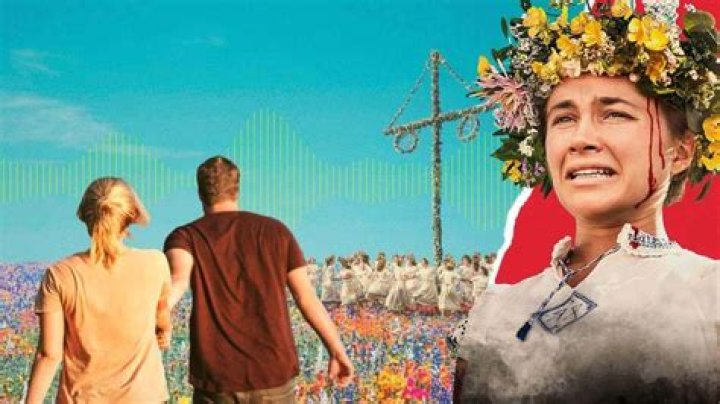
When "Midsommar" was released in 2019, it quickly became a cultural phenomenon, captivating audiences with its unique blend of horror and stunning visuals. Directed by Ari Aster, the film takes viewers on an unsettling journey into a Swedish pagan festival. This article will delve deep into the movie's intricate layers, exploring its symbolism, cultural context, and psychological themes, ensuring you leave with a richer understanding of this cinematic masterpiece.
While "Midsommar" is often categorized as a horror film, it transcends traditional boundaries by offering a thought-provoking narrative that challenges viewers' perceptions of fear, love, and sacrifice. Through its vivid imagery and haunting soundtrack, the movie creates an atmosphere that lingers long after the credits roll.
This article is designed to provide a comprehensive explanation of "Midsommar," making it accessible and insightful for both casual fans and film enthusiasts. By the end, you'll have a deeper appreciation for the film's artistic choices and the messages it conveys about human nature and societal rituals.
Introduction to Midsommar
What Makes Midsommar Unique?
"Midsommar" stands out as a horror film that defies conventions. Unlike traditional horror movies that rely on jump scares, this film uses its setting and characters to evoke a sense of dread. The Swedish countryside serves as the backdrop for a festival that gradually reveals its darker side, pulling viewers into a world where beauty and horror coexist.
Why Is Midsommar So Memorable?
The film's memorable quality lies in its ability to blend vibrant visuals with unsettling themes. Every scene is meticulously crafted, from the colorful costumes to the intricate rituals performed by the Harga cult. This attention to detail ensures that "Midsommar" remains etched in the minds of its audience long after they've watched it.
The Vision of Director Ari Aster
Ari Aster, the mastermind behind "Midsommar," brings a unique perspective to the horror genre. Known for his work on "Hereditary," Aster has a knack for exploring family dynamics and psychological trauma. In "Midsommar," he extends this exploration into the realm of cultural rituals and communal sacrifice, creating a film that is both deeply personal and universally relatable.
Plot Summary and Key Events
Setting the Scene
The story follows Dani (Florence Pugh), a young woman struggling with personal tragedy, and her boyfriend Christian (Jack Reynor), who invites her along on a trip to Sweden. Unbeknownst to them, the trip coincides with a once-in-a-lifetime pagan festival held by the Harga cult. As the festival progresses, tensions rise, secrets are revealed, and the line between reality and horror blurs.
Key Moments in the Film
Several pivotal moments define the narrative of "Midsommar," including the revelation of the cult's true intentions, the climactic ritual, and Dani's transformation. Each moment is expertly executed, ensuring that the film maintains its tension and emotional impact throughout.
Exploring the Symbolism in Midsommar
The Use of Colors
Colors play a significant role in "Midsommar," with each hue carrying symbolic meaning. The vibrant reds and yellows represent passion and vitality, while the whites symbolize purity and innocence. These colors are used to enhance the film's themes and evoke specific emotions in the audience.
Symbols of Death and Rebirth
Death and rebirth are recurring motifs in the film, represented through various symbols such as the Maypole and the floral crowns worn by the cult members. These symbols reflect the cyclical nature of life and the inevitability of change, adding depth to the narrative.
Cultural Context and Swedish Traditions
Understanding Swedish Midsummer Celebrations
While "Midsommar" takes creative liberties with its portrayal of Swedish traditions, it draws inspiration from real-life Midsummer celebrations. These festivities typically involve dancing around the Maypole, enjoying traditional foods, and welcoming the longest day of the year. The film uses these elements to create a believable yet eerie atmosphere.
The Role of Paganism in the Film
Paganism is central to the plot of "Midsommar," with the Harga cult practicing ancient rituals that have been preserved over centuries. This aspect of the film adds authenticity to the story while also highlighting the tension between modernity and tradition.
Character Analysis and Development
Dani: The Protagonist's Journey
Dani's character arc is one of the most compelling aspects of "Midsommar." From a grieving girlfriend to a participant in the cult's rituals, her transformation is both tragic and empowering. Florence Pugh's portrayal of Dani brings depth and nuance to the role, making her journey resonate with audiences.
Christian: The Flawed Antagonist
Christian serves as a foil to Dani, embodying the flaws and insecurities that drive their relationship. His initial reluctance to include Dani in the trip sets the stage for their eventual separation, highlighting the film's exploration of trust and betrayal.
Themes of Love, Betrayal, and Sacrifice
Love and Relationships
Love is a complex theme in "Midsommar," portrayed through the dynamics between Dani and Christian. Their relationship is tested by tragedy, distance, and ultimately, betrayal, reflecting the challenges faced in real-life partnerships.
Sacrifice and Commitment
Sacrifice is another prominent theme, exemplified by the rituals performed by the Harga cult. These acts of sacrifice underscore the film's exploration of what individuals are willing to give up for the greater good or personal fulfillment.
Psychological Insights in the Film
The Impact of Trauma
Trauma plays a crucial role in shaping the characters' actions and decisions in "Midsommar." Dani's experience with loss influences her interactions with the cult, while Christian's guilt and fear drive his behavior. The film effectively portrays how trauma can affect relationships and personal growth.
Grief and Healing
Grief is a universal experience explored in the film, with Dani's journey serving as a metaphor for the healing process. Her transformation from a grieving individual to a participant in the cult's rituals symbolizes her acceptance of loss and her readiness to move forward.
Film-Making Techniques Used in Midsommar
Visual Storytelling
Ari Aster employs stunning visuals to enhance the storytelling in "Midsommar." The use of wide shots and vibrant colors immerses viewers in the world of the Harga cult, while close-ups capture the emotional intensity of key moments.
Soundtrack and Sound Design
The film's haunting soundtrack, composed by Bobby Krlic, complements the visuals to create an immersive experience. The sound design further amplifies the sense of unease, using ambient noises and eerie tones to heighten the tension.
Critical and Audience Reception
Critical Acclaim
"Midsommar" received widespread critical acclaim upon its release, praised for its originality and visual style. Critics highlighted Ari Aster's direction and Florence Pugh's performance as standout elements of the film.
Audience Reaction
Audiences were equally captivated by "Midsommar," with many praising its ability to challenge conventional horror tropes. The film's unique approach to storytelling and its exploration of complex themes resonated with viewers, ensuring its place as a modern horror classic.
Conclusion and Final Thoughts
"Midsommar" is a masterful exploration of horror, symbolism, and human nature. Through its vivid imagery, intricate plot, and thought-provoking themes, the film offers a cinematic experience that lingers in the minds of its audience. As you reflect on the movie's messages and artistic choices, consider sharing your thoughts in the comments below or exploring other articles on our site for more insights into the world of cinema.
We invite you to engage further with this article by leaving your comments or questions. Your feedback helps us improve and provides valuable insights for others. Don't forget to share this article with fellow fans of "Midsommar" and explore more content on our platform!