Hottest Peppers by Scoville Units: A Comprehensive Guide to the World's Fiery Favorites
 Michael King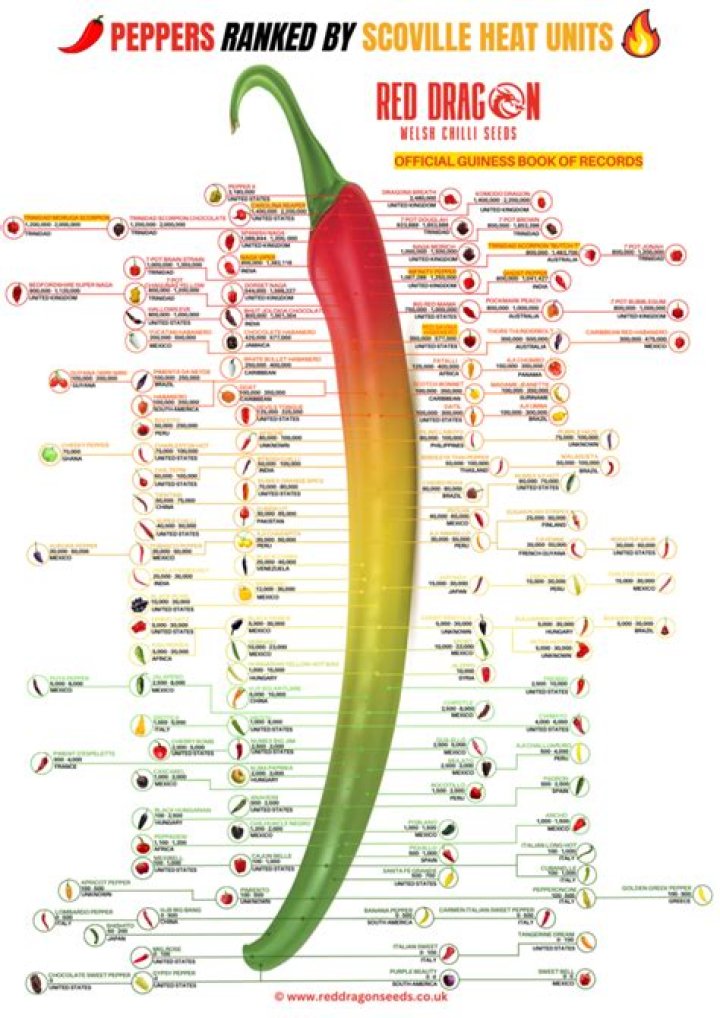
Peppers, particularly the hottest varieties, have captivated the attention of food enthusiasts worldwide. The Scoville scale, a universally recognized measure of spiciness, is the key to understanding the heat intensity of these fiery fruits. From the humble jalapeño to the record-breaking Carolina Reaper, the world of chili peppers is as diverse as it is thrilling.
Whether you're a spice aficionado or simply curious about the science behind the heat, this article will take you on a journey through the hottest peppers by Scoville units. We'll explore their origins, characteristics, and the cultural significance of these fiery wonders. Along the way, you'll discover fascinating facts and insights that will deepen your appreciation for the art and science of heat in cuisine.
Prepare to embark on a scorching adventure as we delve into the realm of the world's hottest peppers. From their humble beginnings to their current status as culinary legends, these peppers have a story to tell—and it's one that will leave your taste buds tingling and your mind enlightened.
What Are Scoville Heat Units?
Before we dive into the hottest peppers, it's essential to understand the Scoville scale. The Scoville Heat Unit (SHU) measures the spiciness of chili peppers by quantifying the concentration of capsaicin, the compound responsible for heat. Developed in 1912 by Wilbur Scoville, this scale has become the industry standard for evaluating pepper heat.
The Scoville test involves diluting a pepper extract with sugar water until the heat is no longer detectable by a panel of tasters. The degree of dilution determines the SHU rating. Today, high-performance liquid chromatography (HPLC) provides a more precise measurement, but the Scoville scale remains the benchmark for comparing pepper heat.
Top 10 Hottest Peppers by Scoville Units
Here's a list of the world's hottest peppers, ranked by their Scoville Heat Units:
1. Carolina Reaper
Holding the Guinness World Record for the hottest pepper, the Carolina Reaper boasts an average SHU of 1.5 million. Originating in South Carolina, this hybrid pepper combines the genetic traits of the Naga Viper and the Red Habanero, resulting in a fiery fruit that's both sweet and deadly.
2. Trinidad Moruga Scorpion
With an average SHU of 1.2 million, the Trinidad Moruga Scorpion is a formidable contender. Native to Trinidad, this pepper is known for its fruity flavor and intense heat. Its name derives from the scorpion-like tail that adds to its menacing appearance.
3. 7 Pot Douglah
The 7 Pot Douglah, hailing from Trinidad and Tobago, averages around 1 million SHU. This pepper gets its name from the belief that one pepper can spice up seven pots of stew. Its dark, chocolatey color and rich flavor make it a favorite among heat seekers.
Understanding Pepper Heat Profiles
Each hot pepper has a unique heat profile, which depends on factors like capsaicin concentration, growing conditions, and ripeness. Understanding these profiles can help you choose the right pepper for your culinary needs:
- Immediate Heat: Peppers like the Habanero deliver a quick, intense burn that lingers.
- Delayed Heat: The Trinidad Scorpion, for example, starts mild but builds up to an explosive finish.
- Sweetness and Complexity: Many hot peppers, such as the Carolina Reaper, offer a balance of sweetness and heat, making them versatile in cooking.
Health Benefits of Hot Peppers
Aside from their culinary appeal, hot peppers offer numerous health benefits:
1. Pain Relief
Capsaicin, the compound responsible for heat, is used in topical creams to relieve pain. It works by depleting Substance P, a neurotransmitter involved in pain transmission.
2. Metabolism Boost
Consuming hot peppers can temporarily increase your metabolism, helping with weight management. Capsaicin stimulates thermogenesis, the process of burning calories to produce heat.
3. Anti-Inflammatory Properties
Capsaicin exhibits anti-inflammatory effects, making it beneficial for conditions like arthritis and other inflammatory disorders.
Growing Your Own Hot Peppers
For those interested in cultivating their own fiery fruits, here are some tips:
- Choose the right variety based on your heat preference.
- Provide plenty of sunlight and well-drained soil.
- Water consistently but avoid overwatering, as peppers prefer slightly dry conditions.
Scoville Heat Units in Everyday Cuisine
Hot peppers are integral to many cuisines worldwide. From the mild heat of jalapeños in Mexican dishes to the intense spiciness of Scotch Bonnets in Caribbean cuisine, peppers add depth and excitement to meals. Here's how different peppers are used globally:
1. Asian Cuisine
Peppers like the Bird's Eye Chili are staples in Thai and Vietnamese dishes, bringing a fiery kick to curries and stir-fries.
2. Indian Cuisine
The Bhut Jolokia, or Ghost Pepper, is a popular choice in Northeast India, where it's used to add heat to traditional recipes.
FAQs About Hottest Peppers by Scoville Units
1. Can Eating Extremely Hot Peppers Be Dangerous?
Yes, consuming peppers with extremely high SHU ratings can cause adverse effects, including nausea, vomiting, and even respiratory issues. Always exercise caution when experimenting with ultra-hot peppers.
2. How Can You Neutralize the Heat of Hot Peppers?
Milk or dairy products are effective at neutralizing capsaicin due to the presence of casein, a protein that binds to capsaicin and washes it away.
Conclusion
The world of the hottest peppers by Scoville units is a fascinating one, filled with variety, complexity, and cultural significance. From the record-breaking Carolina Reaper to the lesser-known but equally fiery 7 Pot Douglah, these peppers have captured the imagination of food lovers everywhere. Understanding the Scoville scale, heat profiles, and health benefits of hot peppers can enhance your appreciation for these culinary treasures.
Now that you've explored the fiery realm of hot peppers, why not share your newfound knowledge with others? Leave a comment below, share this article with fellow spice enthusiasts, or check out our other articles for more culinary insights. Remember, the world of hot peppers is vast and exciting—so keep exploring and enjoy the heat!
Sources:
- Guinness World Records
- Journal of Agricultural and Food Chemistry
- USDA Nutrient Database