Eben Byers: A Tragic Tale of Radioactive Elixir and Its Deadly Consequences
 Olivia Owen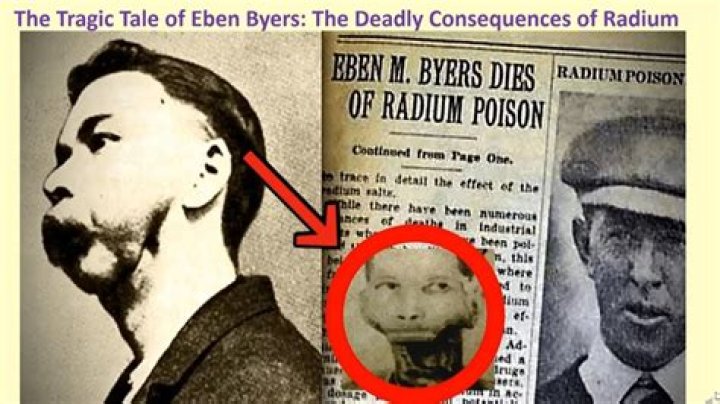
Eben Byers is a name that echoes through history as a cautionary tale of the dangers of unregulated medicine and the allure of quick fixes. His story serves as a grim reminder of how misplaced trust in pseudoscience can lead to devastating outcomes. In the early 20th century, Eben Byers became one of the most famous victims of radioactive elixirs, which were marketed as miracle cures. His tragic demise highlighted the need for stringent regulation in the medical industry.
Eben Byers' life was defined by his success as an industrialist and his unfortunate encounter with a product that promised health but delivered death. His story is not only a historical account but also a lesson for modern consumers to critically evaluate the products they consume. The dangers of radioactive substances were not fully understood at the time, leading to widespread use in various consumer products.
This article delves into the life of Eben Byers, the popular "radium water" that claimed his life, and the broader implications of his tragedy. By exploring the historical context, the science behind radiation, and the regulatory changes that followed, we can better understand the lessons of the past and their relevance today.
Biography of Eben Byers
Early Life and Career
Eben McBurney Byers was born on July 29, 1880, in Pittsburgh, Pennsylvania. He was a prominent industrialist and a successful businessman who made his fortune in the steel industry. Byers was a well-respected figure in his community and was known for his philanthropy and leadership in various civic organizations.
Below is a summary of Eben Byers' personal information:
| Full Name | Eben McBurney Byers |
|---|---|
| Date of Birth | July 29, 1880 |
| Place of Birth | Pittsburgh, Pennsylvania |
| Occupation | Industrialist, Businessman |
| Death | March 31, 1932 (age 51) |
The Rise of Radithor
What is Radithor?
Radithor was a radioactive elixir marketed as a cure-all tonic. It was developed by William J. A. Bailey, a Harvard dropout with no medical training. Bailey claimed that Radithor could cure a wide range of ailments, from fatigue to impotence, by harnessing the power of radium. The product was sold as a "liquid sunshine" that could invigorate the body and restore vitality.
Eben Byers became one of Radithor's most famous consumers after being introduced to it by a friend. He consumed copious amounts of the elixir, believing it was improving his health. Little did he know, the radium in Radithor was slowly poisoning him.
Health Effects of Radithor
The health effects of Radithor were catastrophic. Eben Byers began experiencing severe health issues, including jaw deterioration, bone fractures, and widespread tissue damage. The radium in Radithor had accumulated in his bones, emitting radiation that destroyed his body from the inside out.
- Jaw Deterioration: Byers' jawbone began to disintegrate, leading to extreme pain and disfigurement.
- Bone Fractures: His bones became brittle and prone to fractures due to radiation-induced damage.
- Tissue Damage: The radiation caused widespread tissue destruction, leading to organ failure.
By the time Byers sought medical help, it was too late. His condition deteriorated rapidly, and he passed away on March 31, 1932.
Medical Community's Response
The medical community was initially slow to recognize the dangers of radioactive elixirs like Radithor. However, as more cases of radium poisoning emerged, doctors began to sound the alarm. Eben Byers' case gained national attention, prompting investigations into the safety of radioactive consumer products.
Studies conducted by reputable institutions, such as the Carnegie Institution, confirmed the harmful effects of radium exposure. These findings were instrumental in raising awareness about the dangers of unregulated medical products.
Regulatory Changes
Eben Byers' death played a significant role in prompting regulatory changes in the United States. The Federal Food, Drug, and Cosmetic Act of 1938 was passed in part due to public outcry over the dangers of products like Radithor. This legislation gave the Food and Drug Administration (FDA) greater authority to regulate the safety and efficacy of consumer products.
The case also highlighted the importance of scientific research in evaluating the safety of new treatments. Today, rigorous testing and clinical trials are required before any product can be marketed as a medical treatment.
Scientific Understanding of Radiation
At the time of Eben Byers' death, the scientific understanding of radiation was still in its infancy. Radium was initially seen as a miracle element with potential health benefits. However, as research progressed, scientists discovered the harmful effects of prolonged exposure to radiation.
Key findings included:
- Radium emits alpha, beta, and gamma radiation, all of which can cause cellular damage.
- Prolonged exposure to radium can lead to bone cancer, anemia, and other serious health issues.
- Radium accumulates in the bones, where it continues to emit radiation for years.
These discoveries led to stricter regulations on the use of radioactive materials in consumer products.
Public Awareness and Education
Raising public awareness about the dangers of radioactive products was crucial in preventing further tragedies. Educational campaigns were launched to inform consumers about the risks associated with unregulated medical treatments. These efforts emphasized the importance of consulting licensed healthcare professionals before using any new treatment.
Today, public health campaigns continue to play a vital role in educating consumers about the safety and efficacy of medical products. The lessons learned from Eben Byers' story underscore the need for vigilance in the face of pseudoscience and unproven treatments.
The Legacy of Eben Byers
Eben Byers' legacy is one of caution and reform. His tragic death served as a catalyst for change in the medical and regulatory fields. It highlighted the dangers of unregulated products and the importance of scientific scrutiny in evaluating new treatments.
His story also serves as a reminder of the power of public awareness and advocacy in driving policy changes. The regulatory frameworks established in response to his case continue to protect consumers from dangerous products today.
Conclusion
Eben Byers' story is a poignant reminder of the dangers of pseudoscience and the importance of regulation in the medical industry. His tragic death from radium poisoning brought attention to the harmful effects of unregulated consumer products and prompted significant regulatory changes. The lessons learned from his case continue to inform modern approaches to consumer safety and public health.
We invite you to share your thoughts on this article in the comments section below. If you found this information valuable, please consider sharing it with others. For more articles on historical figures and their impact on modern society, explore our other content on the website.