Carlo Gambino: The Man Who Shaped the American Mafia
 Christopher Duran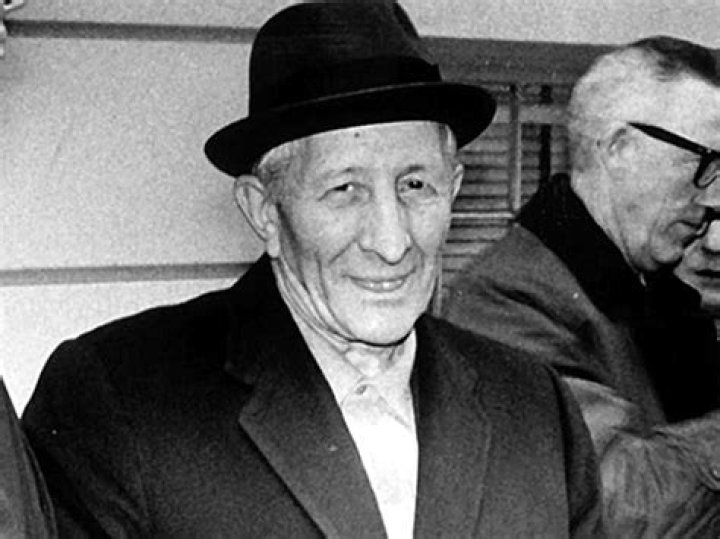
Carlo Gambino, one of the most infamous names in the history of organized crime, remains a fascinating figure even decades after his death. As the head of the Gambino crime family, he wielded immense power and influence over the American Mafia during the mid-20th century. His strategic mind and ability to maintain a low profile while consolidating control over lucrative criminal enterprises earned him a reputation as one of the most successful mob bosses in history.
Despite his notoriety, Carlo Gambino was known for his calm demeanor and diplomatic approach to resolving disputes within the Mafia. Unlike many of his contemporaries who preferred violent confrontations, Gambino favored negotiation and alliances, which allowed him to build a vast criminal empire without drawing significant attention from law enforcement. This unique approach set him apart from other mobsters of his time.
This article delves into the life, legacy, and influence of Carlo Gambino, exploring his rise to power, his methods of operation, and the lasting impact he left on the American Mafia. Whether you're a history enthusiast or simply curious about the world of organized crime, this article will provide you with a comprehensive understanding of one of the most influential figures in Mafia history.
Biography of Carlo Gambino
Early Life and Background
Carlo Gambino was born on August 24, 1902, in Palermo, Sicily, into a family with deep ties to organized crime. His father, Domenico Gambino, was a member of the Sicilian Mafia, which exposed Carlo to the criminal underworld from an early age. Growing up in a region rife with Mafia activity, Gambino quickly learned the intricacies of power dynamics and loyalty, traits that would later define his career as a mob boss.
In 1921, at the age of 19, Carlo Gambino emigrated to the United States, settling in New York City. He joined his cousins, the D'Aquila family, who were already established members of the Mafia in Brooklyn. This marked the beginning of his ascent in the American criminal underworld. During this period, Gambino honed his skills in various illegal activities, including bootlegging, gambling, and loan-sharking, which laid the foundation for his future success.
Rise to Power
Gambino's rise to power was gradual but strategic. In 1957, he orchestrated the assassination of Albert Anastasia, the then-leader of the crime family that would later bear his name. This move positioned Gambino as the new boss, marking the beginning of his reign as one of the most powerful mob bosses in the United States. His ascent was characterized by a combination of cunning, diplomacy, and a willingness to eliminate rivals when necessary.
During his tenure, Gambino focused on expanding the family's influence while maintaining a low profile. He avoided unnecessary confrontations with law enforcement and other Mafia families, choosing instead to consolidate power through alliances and strategic partnerships. This approach allowed him to build a criminal empire that spanned various industries, including construction, trucking, and labor unions.
The Gambino Crime Family
Structure and Influence
The Gambino crime family, under Carlo's leadership, became one of the most powerful Mafia families in the United States. Known for its extensive reach and diverse criminal activities, the family controlled numerous legitimate and illegitimate businesses across New York City and beyond. Gambino's ability to integrate his operations into legitimate industries allowed the family to amass significant wealth while avoiding scrutiny from authorities.
Key industries under the Gambino family's control included:
- Construction and waste management
- Trucking and transportation
- Gambling and loan-sharking
- Drug trafficking (though Gambino himself avoided direct involvement in narcotics)
Building a Criminal Empire
Carlo Gambino's success in building a criminal empire can be attributed to his ability to adapt to changing circumstances and capitalize on emerging opportunities. During the Prohibition era, he expanded his operations in bootlegging, while in the post-war period, he shifted his focus to construction and labor unions. This adaptability ensured the family's continued prosperity despite shifts in the legal and economic landscape.
Gambino also emphasized the importance of maintaining a low profile. Unlike many of his contemporaries who sought public attention, he preferred to operate behind the scenes, delegating tasks to trusted associates while keeping himself out of the spotlight. This strategy proved effective in evading law enforcement and preserving the family's power.
Carlo Gambino's Leadership Style
Strategic and Diplomatic Approach
One of the defining characteristics of Carlo Gambino's leadership style was his preference for diplomacy over violence. While he was not averse to using force when necessary, he often sought to resolve disputes through negotiation and alliances. This approach helped him maintain stability within the Mafia and avoid costly conflicts that could attract unwanted attention from law enforcement.
Gambino was also known for his ability to inspire loyalty among his subordinates. He treated his associates with respect and rewarded them for their loyalty and hard work. This created a sense of unity and cohesion within the family, which contributed to its success and longevity.
Notable Events During His Reign
The Apalachin Meeting
One of the most significant events during Carlo Gambino's reign was the Apalachin meeting in 1957. This gathering of top Mafia leaders from across the United States was raided by law enforcement, leading to widespread arrests and increased scrutiny of organized crime. Despite the setback, Gambino emerged from the incident unscathed, further cementing his reputation as a master strategist who could navigate even the most challenging situations.
Relationships and Alliances
Gambino's ability to form alliances with other Mafia families and influential figures was a key factor in his success. He maintained close ties with the Five Families of New York and other powerful crime syndicates across the country. These relationships allowed him to expand the Gambino family's influence and protect its interests from external threats.
One of his most notable alliances was with Meyer Lansky, a Jewish mobster with extensive connections in the American Mafia. Their partnership facilitated numerous lucrative business ventures and helped solidify Gambino's position as a leading figure in the criminal underworld.
The Legacy of Carlo Gambino
Carlo Gambino's legacy as one of the most successful mob bosses in history endures to this day. His strategic approach to leadership, emphasis on diplomacy, and ability to adapt to changing circumstances set a standard for future generations of Mafia leaders. The Gambino crime family remains one of the most powerful Mafia families in the United States, a testament to the enduring influence of its former boss.
Despite his notoriety, Gambino managed to avoid prosecution throughout his lifetime, dying of natural causes in 1976. His ability to evade law enforcement while maintaining control over a vast criminal empire is a testament to his skill and cunning as a mob boss.
Conclusion
In conclusion, Carlo Gambino's life and career offer a fascinating glimpse into the world of organized crime and the complexities of power dynamics within the American Mafia. From his humble beginnings in Sicily to his rise as one of the most powerful mob bosses in history, Gambino's story is one of strategy, diplomacy, and resilience.
We invite you to share your thoughts and insights in the comments section below. If you enjoyed this article, please consider sharing it with others who might find it interesting. Additionally, feel free to explore other articles on our site that delve into the rich history of organized crime and its impact on society. Together, let's continue the conversation and deepen our understanding of this complex and often misunderstood world.
Data and Sources
This article draws on information from reputable sources, including historical records, academic studies, and biographies of Carlo Gambino. For further reading, we recommend the following resources:
- "The Last Testament of Lucky Luciano" by Martin A. Gosch and Richard Hammer
- "The Valachi Papers" by Peter Maas
- "The Mafia: A History of Its Rise and Fall" by Thomas Reppetto